
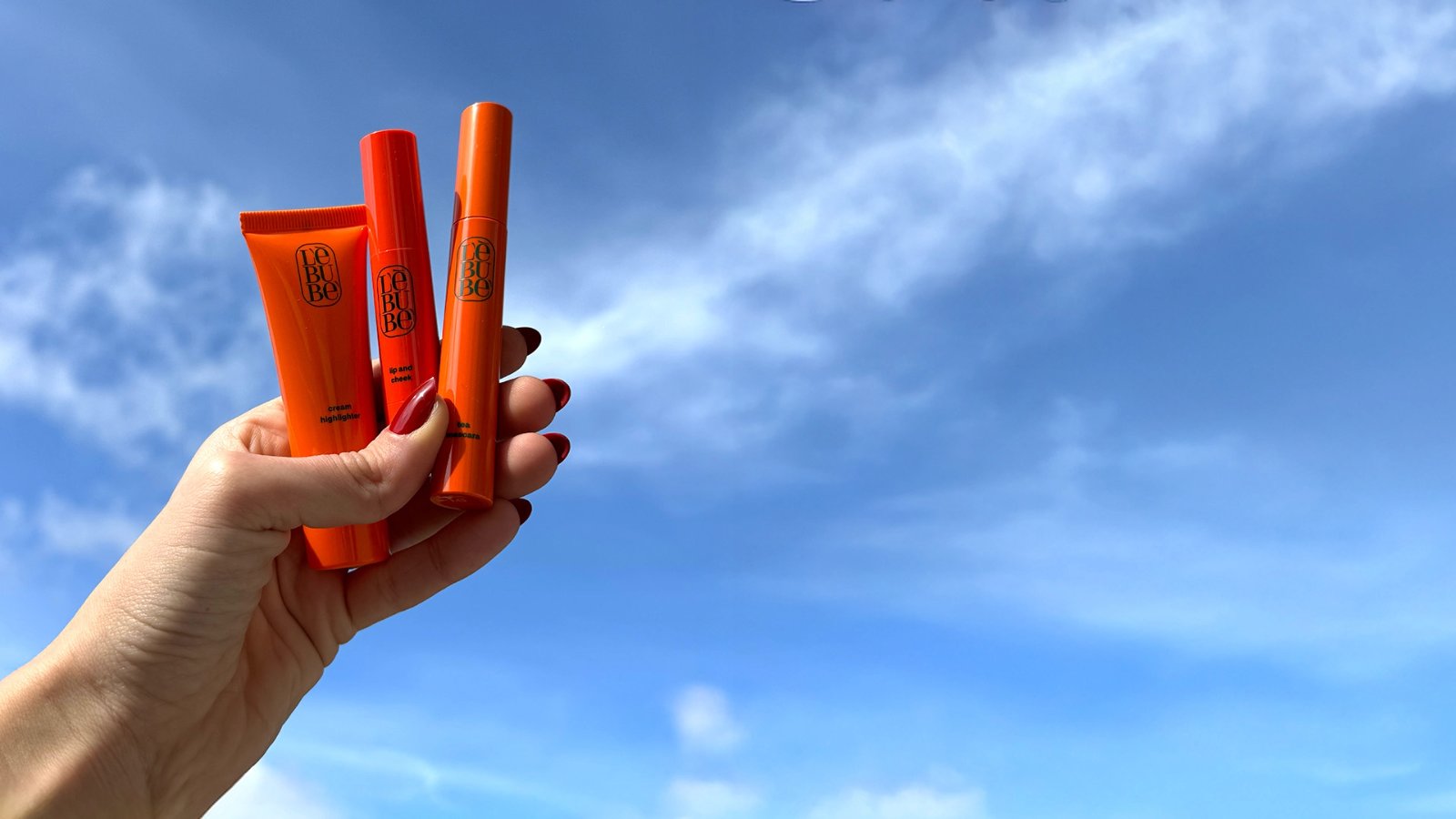
Traditional makeup focuses primarily on the cosmetic result. Hybrid makeup asks a second question: what else can the formula do while you wear it?
7 MIN READ · 13 AUGUST 2026
Makeup used to have one main job: change how something looks.
Foundation covered. Mascara defined. Blush added colour. Lipstick added pigment.
Today, we're asking more from the products we wear every day.
Can a complexion product even out skin tone while supporting hydration? Can a mascara define the lashes while also caring for them? Can the hours you spend wearing makeup become another opportunity to support your skin?
That's the idea behind hybrid makeup: makeup designed around both the immediate cosmetic result and what the formula can do – and how it feels – while you wear it.
💡 Quick Answer
Hybrid makeup combines the immediate result of makeup – such as colour, coverage, definition or glow – with skincare-inspired benefits such as hydration, nourishment, conditioning, antioxidant support or protection.
Traditional makeup, by comparison, is primarily designed around cosmetic performance.
That doesn't mean traditional makeup is "bad for your skin", or that hybrid makeup is automatically better.
The difference is mainly in the formulation philosophy:
Traditional makeup asks: "How should this perform?"
Hybrid makeup also asks: "What else can this formula do while I wear it?"
And no – hybrid makeup doesn't replace your skincare routine.
👀 Traditional Makeup vs Hybrid Makeup at a Glance
| Traditional Makeup | Hybrid Makeup | |
|---|---|---|
| Primary goal | Cosmetic performance | Cosmetic performance + skincare-inspired benefits |
| Colour / coverage | From sheer to high | From sheer to high |
| Finish | Matte, satin, radiant and more | Varies by product |
| Skincare ingredients | May contain them | Intentionally integrated into the product concept |
| Best for | When a specific makeup result is the priority | When you want makeup performance + additional skin, lip or lash benefits |
| Everyday wear | ✓ | ✓ |
| Replaces skincare? | No | No |
Neither approach is inherently better. The difference is what you expect your makeup to do.
What Is Hybrid Makeup?
Hybrid makeup is makeup intentionally formulated to combine an immediate cosmetic function with one or more skincare-inspired benefits.
You may also see it described as skincare-infused makeup or skincare-makeup.
The makeup result still comes first.
A skin tint should even out the complexion. A mascara should define the lashes. A lip product should add colour or shine.
But hybrid makeup adds a second question:
What can this formula do while you're wearing it?
Depending on the product, that might mean supporting hydration, helping maintain skin comfort, nourishing the lips, conditioning the lashes, providing antioxidant ingredients or offering tested sun protection.
Importantly, hybrid makeup isn't a regulated cosmetic category. There is no single universal definition every brand has to follow.
So seeing hybrid or skincare-infused on the packaging isn't enough on its own.
The actual formula, intended benefits and evidence behind its claims matter more than the label.

What's the Difference Between Traditional and Hybrid Makeup?
The main difference between traditional and hybrid makeup is what the formula is intentionally designed to deliver beyond the cosmetic result.
Traditional makeup is primarily developed around makeup performance: colour, coverage, finish, definition, longevity and wear.
Hybrid makeup still needs to perform as makeup, but intentionally incorporates skincare-inspired benefits into the product concept.
That distinction matters because traditional makeup can still be hydrating, lightweight and comfortable.
And hybrid makeup can still be highly pigmented, dramatic or long-wearing.
So this isn't:
Traditional makeup = bad for skin
Hybrid makeup = good for skin
It's:
Traditional makeup = cosmetic performance first.
Hybrid makeup = cosmetic performance + an intentional skincare dimension.
What Actually Makes Makeup "Hybrid"?
A skincare ingredient on an INCI list doesn't automatically make a makeup product meaningfully hybrid.
Seeing hyaluronic acid, peptides or niacinamide somewhere in a formula tells you that the ingredient is present.
It doesn't necessarily tell you what role it plays, how much is there or what the finished product can actually claim to do.
That's why formulation intent matters.
Depending on the intended benefit, hybrid formulas may include ingredients such as:
- humectants like glycerin or hyaluronic acid for hydration
- emollients and oils for softness and comfort
- antioxidants as part of a skincare-focused formulation
- peptides or conditioning ingredients in treatment-inspired products
- SPF in complexion products specifically tested and labelled for sun protection
But ingredients are only part of the picture.
Their concentration, formulation, stability and the evidence supporting specific claims all matter.
So instead of asking:
"Does this makeup contain skincare ingredients?"
A better question is:
"What are those ingredients intended to do in the finished formula?"
🔎 The Hybrid Makeup Test
Not sure whether a product is meaningfully hybrid?
Ask three questions.
1. What does it do immediately?
This is the makeup function.
Does it provide colour, coverage, glow, definition, length or another visible cosmetic result?
2. What does it do while I wear it?
This is the skincare-inspired function.
Is the formula designed to hydrate, nourish, condition, protect or otherwise support the skin, lips or lashes during wear?
3. What supports that second benefit?
This is the evidence question.
Which ingredients are included? What claims does the brand actually make? And when a measurable performance claim is being made, is there evidence behind it?
A hybrid product becomes more meaningful when both sides of the equation have a clear purpose: what you see now + what the formula does while you wear it.
Is Hybrid Makeup the Same as Multi-Use Makeup?
No. Hybrid makeup and multi-use makeup describe two different things.
Hybrid makeup combines cosmetic performance with skincare-inspired benefits.
Multi-use makeup performs more than one cosmetic function.
For example, a lip-and-cheek tint can be multi-use without necessarily being hybrid.
A mascara with lash-conditioning ingredients can be hybrid without being multi-use.
And some products can be both.
| Hybrid | Multi-use | |
|---|---|---|
| Skin tint + hydration | ✓ | |
| Lip + cheek colour | ✓ | |
| Mascara + lash conditioning | ✓ | |
| Lip + cheek colour + skincare benefit | ✓ | ✓ |
The two ideas often overlap because they both fit into simpler, more efficient beauty routines – but they aren't interchangeable terms.

Does Hybrid Makeup Replace Skincare?
No. Hybrid makeup should generally be thought of as a complement to skincare, not a replacement for it.
A skin tint containing hydrating ingredients doesn't necessarily replace your moisturiser.
A nourishing lip colour isn't automatically a complete lip-care routine.
And makeup containing SPF shouldn't automatically be treated as a replacement for dedicated sun protection in every situation.
Instead, hybrid makeup creates another opportunity to support your skin during the hours you're already wearing makeup.
Your skincare can do its job underneath.
Your makeup can do more on top.
When Does Hybrid Makeup Make the Most Sense?
Hybrid makeup can be particularly useful for everyday wear, shorter beauty routines and people who value comfort alongside makeup performance.
If you're wearing a product for hours, how it feels at hour six can matter just as much as how it looks at minute one.
That's where formulas developed around hydration, comfort and flexible wear can make sense.
Hybrid beauty also fits naturally into more streamlined routines. Instead of adding another step, the idea is to ask whether a product you're already applying can do more.
A mascara can define + condition.
A lip product can add colour + nourishment.
A complexion product can provide coverage + hydration.
The point isn't necessarily to use more products.
It's to expect more from the ones you already use.
Is Hybrid Makeup Better Than Traditional Makeup?
No. Hybrid makeup isn't inherently better than traditional makeup – the better choice depends on what you want from the product.
Traditional makeup may make more sense when your priority is:
- maximum coverage
- highly saturated pigment
- a very specific finish
- extreme long wear
- a particular editorial or dramatic effect
Hybrid makeup may appeal more when your priority is:
- comfortable everyday wear
- skin-like results
- streamlined routines
- skincare-inspired benefits
- products designed to perform more than one role during wear
And you don't need to choose one category exclusively.
Most makeup bags can comfortably contain both.
Is Hybrid Makeup Just Marketing?
It can be – because "hybrid makeup" isn't a regulated cosmetic category and different brands may use the term differently.
That's why the label itself shouldn't be the deciding factor.
A recognisable skincare ingredient appearing on an ingredient list doesn't automatically tell you whether it makes a meaningful difference to the finished formula.
Instead, look for three things:
The benefit. What does the product actually claim to do?
The formula. What supports that benefit?
The evidence. Are measurable claims backed by appropriate testing or data?
Hybrid beauty becomes most meaningful when the skincare story isn't simply added to the marketing.
It's built into the product from the beginning.
🍵 How Lebubè Thinks About Hybrid Makeup
At Lebubè, hybrid beauty starts with a simple question:
If you're going to wear makeup for hours, why shouldn't those hours do something more?
We don't think makeup and skincare need to exist in two completely separate worlds.
Instead, when developing a product, we think about two things:
What should it do immediately?
And what can it do while you wear it?
That philosophy can take different forms depending on the product.
Dewy Drop Hydrating Skin Tint SPF30 combines sheer, buildable colour and a fresh complexion finish with hydration and SPF30 – turning an everyday base into more than just coverage.
Lip Oil & Balm combines the shine and comfort of a lip oil with the nourishing care of a balm – giving lips a glossy finish while helping keep them soft and comfortable.
Lash Primer & Overnight Mask takes the idea one step further: during the day, it works as a primer underneath mascara; at night, it becomes a peptide lash treatment.
Different products. Different functions.
The same philosophy:
Makeup should do its immediate job beautifully – and still be able to do more.
💭 Final Takeaway
Hybrid makeup isn't about declaring traditional makeup obsolete.
And it isn't about turning every makeup product into skincare.
It's a different way of thinking about the products we wear every day.
Traditional makeup asks:
"How will this make me look?"
Hybrid makeup adds:
"What else can this formula do while I'm wearing it?"
Sometimes the answer is hydration. Sometimes nourishment, conditioning or protection.
And sometimes what you want is simply exceptional colour, coverage or wear – in which case traditional makeup may be exactly the right choice.
The future of makeup isn't necessarily about wearing more or less. It's about asking more from the products we already wear.
❓ FAQs
What is hybrid makeup?
Hybrid makeup is makeup intentionally formulated to combine an immediate cosmetic result – such as colour, coverage, definition or glow – with one or more skincare-inspired benefits such as hydration, nourishment, conditioning or protection.
Is hybrid makeup the same as skincare-infused makeup?
The terms are often used interchangeably. Neither is a strictly regulated cosmetic category, so their meaning can vary between brands. In general, both describe makeup developed with skincare-inspired benefits in mind.
Is hybrid makeup better than traditional makeup?
Not universally. Traditional makeup can be the better choice when maximum coverage, pigment, longevity or a specific finish is the priority. Hybrid makeup can be particularly appealing when you also value comfort and skincare-inspired benefits.
Can hybrid makeup replace my skincare routine?
Usually not. Hybrid makeup is best thought of as a complement to skincare rather than a replacement for moisturiser, targeted treatments or dedicated sun protection when needed.
Is hybrid makeup good for dry skin?
It can be. Some hybrid formulas use humectants, emollients or nourishing ingredients and are developed around comfortable wear. However, "hybrid" doesn't automatically mean hydrating, so always evaluate the individual formula.
Is hybrid makeup good for sensitive skin?
Not necessarily. Hybrid makeup isn't automatically hypoallergenic or suitable for every sensitive skin type. Evaluate the individual formula and ingredients rather than relying on the hybrid label alone.
Is hybrid makeup just a marketing term?
It can be used loosely because there is no universal regulated definition of hybrid makeup. Look beyond the terminology and consider what benefits the product actually claims, what supports those benefits and whether measurable claims are backed by appropriate evidence.
What ingredients should I look for in hybrid makeup?
It depends on the intended benefit. Hybrid formulas may contain ingredients such as glycerin, hyaluronic acid, nourishing oils, antioxidants, niacinamide or peptides. However, the presence of an ingredient alone doesn't guarantee a particular result – the overall formulation matters.
Is hybrid makeup the same as multi-use makeup?
No. Hybrid makeup combines cosmetic performance with skincare-inspired benefits, while multi-use makeup performs multiple cosmetic functions. A product can be hybrid, multi-use or both.
Does hybrid makeup clog pores?
Hybrid makeup isn't inherently more or less likely to clog pores than traditional makeup. That depends on the individual formula, your skin and how the product is used and removed.
What are the easiest hybrid makeup products to start with?
Skin tints, lip products, treatment-inspired mascaras and complexion products with skincare benefits can be easy entry points because the combination of cosmetic performance and skincare-inspired benefits is straightforward to understand and incorporate into an everyday routine.


