
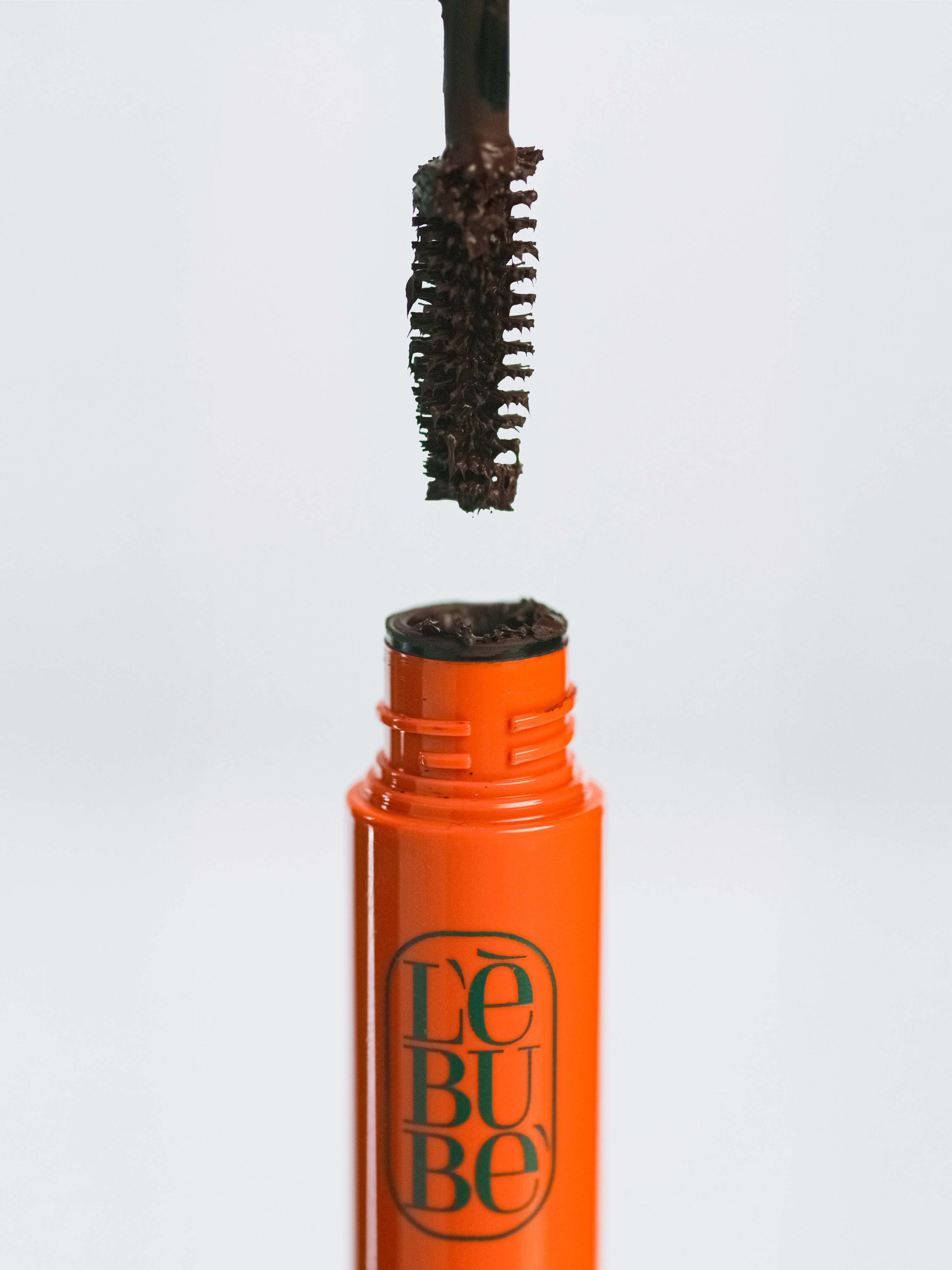
Brown mascara barely showing up? Looking orange, almost black or less defined than expected? The problem may not be brown mascara itself – but the shade, formula or level of contrast.
8 MIN READ · 10 AUGUST 2026
You finally buy a brown mascara after hearing how soft and natural it looks...
...but it barely shows up.
Or it looks orange.
Or almost black.
Or your lashes suddenly seem less defined than they did with black mascara.
If that sounds familiar, don't give up on brown just yet.
Most disappointing experiences with brown mascara aren't necessarily caused by the colour itself. They often come down to choosing the wrong shade, undertone, formula or level of contrast for the effect you wanted.
The first step is figuring out what doesn't look right.
Because "I don't like brown mascara" can actually mean several very different things – and most have a relatively simple fix.
💡 Quick Answer
If your brown mascara doesn't look right, start by identifying what you don't like about the result.
Barely visible? → Your brown may be too light.
Looks orange or red? → The undertone may be warmer than you expected.
Looks almost black? → The shade may be too deep.
Makes your eyes look tired? → You may need slightly more contrast or lift.
Doesn't define enough? → Look at the formula, pigmentation and brush.
Smudges or flakes? → That's usually a performance issue, not a colour issue.
Brown mascara is designed to create softer contrast than black. The goal is finding the shade – and formula – that creates the kind of softer definition you actually want.
👀 Brown Mascara Problems at a Glance
| If your brown mascara... | Likely cause | Try this |
|---|---|---|
| Barely shows up | Shade is too light | Try true or espresso brown |
| Looks orange or red | Undertone is too warm | Try neutral or cool-neutral brown |
| Looks almost black | Shade is too deep | Try true or medium brown |
| Makes your eyes look tired | Too little contrast or lift | Curl lashes or go slightly deeper |
| Doesn't define enough | Formula, pigment or brush | Try richer pigment or another brush |
| Smudges | Transfer, oils or formula | Adjust application or switch formula |
| Flakes | Dry formula or excess layers | Use thinner coats and check mascara age |
1. Why Doesn't Brown Mascara Show Up on My Lashes?
Brown mascara may barely show up when the shade is too light or sheer compared with your natural lash colour.
This is particularly common if your lashes are already very dark.
But remember: brown mascara doesn't necessarily need to make your lashes look visibly brown.
Often, its biggest effect is changing the amount of contrast around your eyes.
A rich brown can still define naturally dark lashes while creating a softer effect than black.
🛠️ How to fix it
✓ Choose a deeper true brown or espresso brown.
✓ Look for a sufficiently pigmented formula.
✓ Apply two thin coats rather than one heavy layer.
✓ Curl your lashes first to make the length and lift more visible.
The goal isn't necessarily to make dark lashes look brown – it's to define them with less contrast than black.
2. Why Does My Brown Mascara Look Orange or Red?
Brown mascara can look orange, copper or red when its undertone is warmer than the neutral-brown effect you expected.
"Brown" is a colour family, not a single shade.
Some brown mascaras are intentionally formulated with warm, chestnut, copper or reddish tones. Those shades can look beautiful, but they create a very different effect from a neutral true brown.
A mascara may also look brown in the tube but reveal more warmth once it's applied – particularly in natural daylight.
🛠️ How to fix it
✓ Look for descriptions such as true brown, neutral brown, cool-neutral brown or espresso.
✓ Compare real-life swatches rather than relying on the word brown alone.
✓ Check the colour in natural daylight whenever possible.
Brown is a colour family, not a single shade.
3. Why Does My Brown Mascara Look Almost Black?
Brown mascara can look almost black when the shade is very deep or sits closer to brown-black on the colour spectrum.
That isn't necessarily a problem.
A very deep espresso or brown-black can be ideal if you want only a subtle step down from black.
But if you chose brown because you wanted a noticeably softer result, the difference may feel disappointing.
🛠️ How to fix it
✓ Look for a true or medium brown rather than brown-black.
✓ Compare the brown directly with the brand's black mascara when swatches are available.
✓ Check both colours in natural daylight, where subtle shade differences may be easier to see.
Think of brown mascara as a spectrum:
| Shade | Typical effect |
| Brown-black | Closest to black |
| Espresso | Deep, softer contrast |
| True brown | Clearly brown |
| Warm brown | Brown with visible warmth |
| Light brown | Softest definition |
Where your mascara sits on that spectrum changes how different it will look from black.
4. Why Does Brown Mascara Make Me Look Tired?
Brown mascara can make your eyes feel less defined if it creates significantly less contrast than the mascara you're used to wearing.
The brown pigment itself isn't making you look tired.
If you've worn black mascara for years, switching to a softer shade can make the eye area initially feel less defined – particularly if the brown is very light or your lashes naturally point downwards.
🛠️ How to fix it
✓ Curl your lashes before applying mascara.
✓ Choose a slightly deeper brown.
✓ Add soft brown eyeliner along the lash line.
✓ Concentrate an extra coat around the roots of the lashes.
The goal is to find the point where your eyes still feel defined without recreating the full contrast of black mascara.
5. Why Doesn't Brown Mascara Give Me Enough Definition?
If brown mascara isn't defining your lashes enough, the problem may be the formula, pigmentation or brush rather than the colour itself.
This is one of the biggest misconceptions about brown mascara:
Softer contrast doesn't have to mean weaker performance.
A brown mascara can still create:
- visible length
- lift
- separation
- volume
- curl
Those qualities depend much more on the formula, brush and application than on whether the pigment is brown or black.
🛠️ How to fix it
✓ Look for a richly pigmented formula.
✓ Build definition with two thin coats.
✓ Choose a brush suited to what your lashes need – length, separation, volume or lift.
✓ Judge the mascara by whether it gives you the lash effect you want, not whether it looks as dramatic as black.
Definition is what the mascara does to your lashes. Contrast is how noticeable those defined lashes become.
6. Why Does My Brown Mascara Smudge?
Brown mascara smudging is usually a formula or application issue rather than a consequence of the mascara being brown.
Smudging can be influenced by:
- the mascara formula
- oily eyelids or skin around the eyes
- rich skincare close to the lash line
- humidity
- applying excessive product
- how well the mascara sets
🛠️ How to fix it
✓ Avoid applying too many heavy coats.
✓ Give each layer a moment to set before adding another.
✓ Be mindful of very rich skincare immediately around the lashes.
✓ If smudging happens consistently, try another formula rather than simply changing colour.
If the same formula were black instead of brown, you'd likely experience a similar problem.
7. Why Does My Brown Mascara Flake?
Brown mascara can flake when the formula becomes dry, too much product is layered onto the lashes or the mascara doesn't suit your lashes.
Smudging and flaking aren't the same thing.
Smudging happens when mascara transfers onto the skin.
Flaking happens when dried mascara breaks away from the lashes.
🛠️ How to fix it
✓ Build with thin layers rather than one thick coat.
✓ Avoid repeatedly going back over mascara once it has dried.
✓ Follow the product's PAO and replace it sooner if its texture, smell or performance changes.
✓ If a mascara flakes from the beginning, the formula itself may simply not work well for you.
🔎 The 30-Second Brown Mascara Check
Still not sure what's wrong?
Ask yourself:
Is it the colour?
→ Too light, too dark or too warm.
Is it the contrast?
→ Your eyes may need slightly more or less definition.
Is it the lash effect?
→ Look at the brush, pigmentation and formula.
Is it the wear?
→ Smudging and flaking are performance issues.
That distinction matters because changing from brown back to black won't necessarily solve a formula problem.
Is Brown Mascara Simply Not Right for Me?
Possibly. Brown mascara isn't the right choice for every look or every preference.
If you consistently prefer:
- bold lashes
- dramatic eye makeup
- maximum contrast
- strong eye definition
- evening glamour
black mascara may simply suit your makeup style better.
If you want your lashes to look defined without immediately becoming the focal point, brown may be exactly what you're looking for.
So the question isn't:
"Is brown or black mascara better?"
It's:
"How much contrast do I want my lashes to create?"
And that answer can change depending on the day, occasion or makeup look.
🍵 Why We Developed Tea Mascara Brown This Way
When developing Tea Mascara Brown, we kept coming back to one of the most common frustrations with brown mascara:
"Brown" can mean completely different things depending on the shade.
During product development, we found that some browns could pull noticeably red, bronze or copper once applied. Others were so deep that the difference from black became difficult to see.
We wanted ours to sit somewhere different.
That's why Tea Mascara Brown was developed as a cool-neutral true espresso brown: unmistakably brown, without an overly warm or orange cast, while remaining deep enough to create visible definition – including on naturally darker lashes.
But getting the colour right was only half the job.
We wanted the performance people expect from their mascara too: buildable definition, visible length, separation and comfortable everyday wear.
Because choosing brown shouldn't mean compromising on mascara performance.
It should simply give you a different kind of definition.
Tea Mascara Brown was later featured in Vogue Italia's selection of the 6 best brown mascaras of 2026, recognised for its true-brown shade, performance and lash-care benefits.

💭 Final Takeaway
If brown mascara doesn't look right, the solution isn't necessarily to go back to black.
First, identify what you don't like about the result.
Barely visible? Go deeper.
Too orange? Go more neutral.
Almost black? Go lighter.
Not enough definition? Look at the formula and brush.
Smudging or flaking? Look at performance rather than colour.
Brown mascara isn't simply a lighter version of black. It's a spectrum of shades that can create different levels of contrast.
Find the right shade and the right formula, and brown mascara can deliver all the definition you want – just with a softer overall effect.
❓ FAQs
Why doesn't brown mascara show up on my lashes?
Brown mascara may barely show up if the shade is too light or sheer compared with your natural lash colour. On dark lashes, try a richer true or espresso brown and build the mascara with two thin coats. The goal doesn't necessarily need to be visibly brown lashes – it can simply be softer contrast than black.
Why does my brown mascara look orange?
Brown mascara can look orange when the shade contains warmer copper, chestnut or reddish tones. If you want a more classic brown effect, look for true, neutral or cool-neutral browns and check real-life swatches in natural daylight.
Why does my brown mascara look black?
A brown mascara may look black if the shade is very deep, particularly with brown-black or dark espresso shades. If you want a more noticeable difference from black, try a true or medium brown.
Why does brown mascara make me look tired?
Brown mascara can make the eye area feel less defined if the shade creates much less contrast than you're used to. Curling your lashes, choosing a slightly deeper brown or adding soft brown liner can restore definition without returning to the full intensity of black.
Why doesn't brown mascara look as dramatic as black?
Brown mascara naturally creates less visual contrast than black, so the lashes may appear softer. However, length, volume, lift and separation depend primarily on the formula and brush, meaning brown mascara can still create highly defined lashes.
Does brown mascara work on dark eyelashes?
Yes. A richly pigmented brown mascara can add length, separation, lift and definition to naturally dark lashes. It may not make the lashes look obviously brown, but it can create a softer overall effect than jet black.
Can brown mascara still create volume?
Yes. Volume depends primarily on the formula, brush and application technique rather than pigment colour. Brown mascara can therefore create full, volumised lashes while maintaining softer contrast.
Why does my brown mascara smudge?
Brown mascara can smudge because of the formula, oily skin around the eyes, rich skincare, humidity or excessive product. Smudging is generally a performance or application issue rather than something caused by the pigment being brown.
Why does my brown mascara flake?
Mascara can flake when the formula becomes dry, too many layers are applied or the formula doesn't work well with your lashes. Build thin coats and replace the mascara according to its PAO – or earlier if its texture or performance noticeably changes.
Should I switch back to black mascara?
If you consistently prefer stronger contrast and more dramatic lashes, black may simply suit your style better. But if you like the idea of softer definition, first identify whether the problem is the shade, undertone, contrast, formula or brush before giving up on brown altogether


