
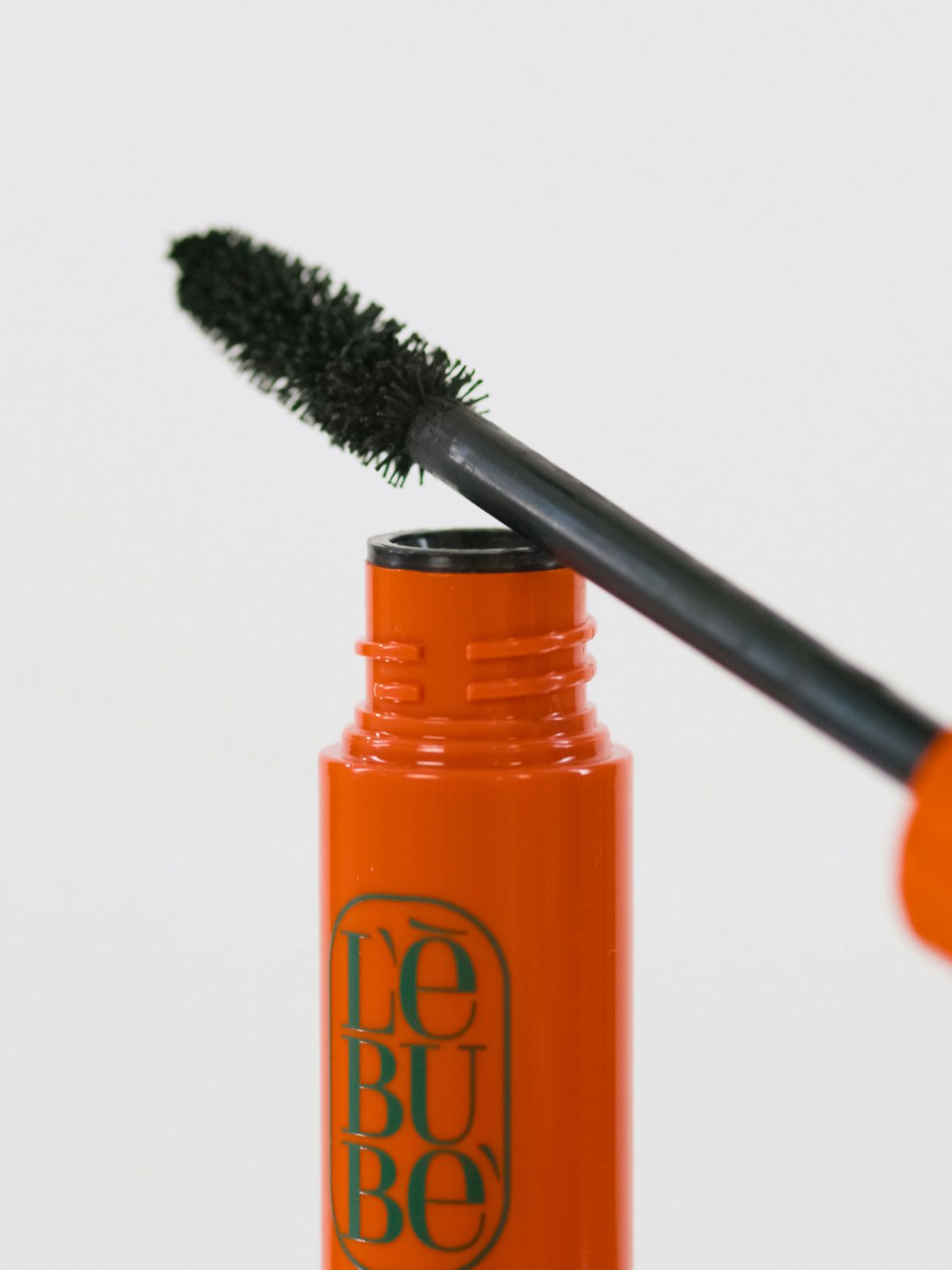
Brown isn't one colour. The best brown mascara combines the right shade and level of contrast with a formula and brush that actually perform.
7 MIN READ · 5 AUGUST 2026
Buying a brown mascara sounds simple – until you realise brown isn't one colour.
Some brown mascaras lean coppery or red. Others are so light they barely show up on naturally dark lashes. And some sit so close to black that you might wonder what the difference is.
Then there's everything beyond colour: the brush, the formula, how well it holds a curl, whether it smudges or flakes and how much definition it creates.
So choosing a good brown mascara isn't simply about finding one labelled "brown."
It's about finding the right brown, with the right performance, for the effect you actually want.
💡 Quick Answer
The best brown mascara combines four things: the right shade, the right level of contrast, reliable performance and a brush that suits the lash effect you want.
Look for:
- Shade – does the brown look true and neutral, or does it pull red, copper or orange?
- Contrast – do you want visibly brown lashes or simply something softer than black?
- Performance – does it resist smudging and flaking, hold a curl and build cleanly?
- Brush – is it designed for the separation, length, lift or volume you want?
If you want the classic brown-mascara effect – noticeably softer than black but still defined – a rich true or espresso brown is often a good place to start.
👀 What Should You Look for in a Brown Mascara?
A good brown mascara isn't defined by colour alone.
Four factors determine whether it will actually work for you:
| What to check | Why it matters |
|---|---|
| Shade | Determines whether the mascara looks truly brown, reddish, very light or almost black |
| Contrast | Determines how softly or strongly your lashes stand out |
| Performance | Determines how well the mascara wears throughout the day |
| Brush | Determines whether the effect is separated, lengthened, lifted or volumised |
A mascara can have a beautiful brown shade and disappointing performance.
Or it can have an excellent formula but create completely the wrong colour or level of contrast for the look you wanted.
The best brown mascara gets both colour and performance right.
How Brown Do You Want Your Mascara to Look?
Before choosing a brown mascara, ask yourself:
"Do I want my lashes to actually look brown – or do I simply want them to look softer than they do with black mascara?"
Those are two different goals.
Someone with naturally light lashes might want a visibly soft brown.
Someone with naturally dark lashes might prefer a deep true or espresso brown that still defines every lash but creates less contrast than jet black.
Think of mascara colour as a contrast spectrum:
| Mascara shade | Typical contrast |
| Light brown | Lowest |
| True brown | Soft |
| Espresso brown | Soft–medium |
| Soft black | Medium–high |
| Jet black | Highest |
The exact result will depend on your natural lash colour, skin tone and the pigmentation of the mascara.
So don't choose based on the word brown alone.
Choose based on how much contrast you want your lashes to create.
Why Do Some Brown Mascaras Look Red or Orange?
Some brown mascaras look red, copper or orange because brown shades can contain different balances of warm-toned pigments.
Two mascaras can both say "brown" on the packaging and look completely different once applied.
A warmer brown may show more red, copper or golden tones. That warmth may also appear differently depending on lighting, your natural lash colour and the surrounding makeup.
If you specifically want to avoid a reddish or coppery effect, look for descriptions such as:
- true brown
- neutral brown
- deep brown
- espresso brown
And whenever possible, look at real-life swatches in natural light, rather than relying only on the colour shown on the packaging or in studio photography.

Should You Choose Light Brown or Dark Brown Mascara?
Choose the depth of your brown mascara based primarily on the amount of contrast and definition you want.
A lighter brown creates a softer effect and is more likely to look visibly brown on naturally light lashes.
A deeper true or espresso brown provides more visible definition and can be particularly effective on naturally dark lashes.
That doesn't mean blondes have to wear light brown or brunettes have to wear espresso.
Your natural colouring influences the final result, but the effect you want should make the decision.
Want barely-there definition? Go softer.
Want clearly defined lashes without the intensity of black? Go deeper.
Does Brown Mascara Work on Naturally Dark Lashes?
Yes. Brown mascara can work on naturally dark lashes, but a sufficiently rich and pigmented brown usually creates the most visible definition.
A very light brown may disappear against naturally dark lashes.
A true or espresso brown can still add visible length, separation and volume without reinforcing the lashes with the intensity of jet-black pigment.
The goal isn't necessarily to make your lashes look obviously brown.
It's to make them look defined with softer contrast.

What Performance Should You Look for in Brown Mascara?
A good brown mascara should perform just as seriously as a good black mascara.
Colour may make you interested in a mascara.
Performance determines whether you'll keep using it.
For everyday wear, look for:
| Look for | Why it matters |
| Smudge resistance | Helps keep definition clean throughout the day |
| Minimal flaking | Reduces visible residue underneath the eyes |
| Curl retention | Helps lashes stay lifted after application |
| Buildability | Lets you increase definition without excessive clumping |
| Comfortable removal | Reduces the need for unnecessary rubbing |
Brown shouldn't mean compromising on performance.
The colour should change the visual effect – not lower your expectations of the mascara itself.
How Much Does the Mascara Brush Matter?
The mascara brush matters because it helps determine the shape and effect of the finished lashes.
An easy way to remember it is:
The shade controls the contrast. The brush controls the lash effect.
A brown volumising mascara can still create a bold lash look.
A brown mascara with a slim separating brush can create something cleaner and more delicate.
As a general guide:
- Slim brushes help create clean separation.
- Smaller brushes make it easier to reach short lashes and inner corners.
- Fuller brushes tend to build volume more quickly.
- Curved brushes can help lift and shape the lashes.
There's no universally "best" mascara brush.
The best brush is the one that creates the lash effect you want.
🔎 3 Common Mistakes When Choosing Brown Mascara
1. Assuming Every Brown Mascara Looks the Same
"Brown" tells you the colour family – not exactly how the shade will look on your lashes.
Some browns appear red or coppery. Others are neutral, very light or extremely deep.
Always look beyond the shade name.
2. Choosing Brown but Expecting Black-Level Contrast
Brown mascara isn't supposed to look identical to black.
Part of its appeal is precisely that it can create softer contrast.
If your goal is maximum visual impact around the eyes, black may still be the better choice.
3. Choosing the Colour Without Considering Performance
Finding your perfect brown doesn't guarantee your perfect mascara.
The formula and brush still need to deliver the length, lift, separation or volume you're looking for.
Remember:
Shade determines contrast. Formula and brush determine performance.
✓ The Brown Mascara Checklist
Before buying a brown mascara, ask yourself:
✓ Do I want my lashes to look visibly brown, or simply softer than black?
✓ Do I want a true neutral brown or something warmer?
✓ Are my natural lashes light or dark?
✓ Do I want separation, length, lift or volume?
✓ Does the formula resist smudging and flaking?
✓ Can I build a second coat without excessive clumping?
✓ Is it comfortable to remove?
If you can answer those questions, choosing between different brown mascaras becomes much easier.
🍵 Why We Created Tea Mascara Brown
When we started developing Tea Mascara Brown, one piece of feedback kept coming up during product testing: finding a brown mascara that actually looked like the brown people expected wasn't as easy as it sounded.
Some shades pulled noticeably warm, red or copper once applied.
Others were so subtle that they lost too much definition, particularly on naturally darker lashes.
We wanted something in between.
So we developed Tea Mascara Brown as a true neutral espresso brown: softer than black, without looking reddish or orange, but deep enough to remain visibly defined on the lashes.
Because choosing brown shouldn't mean compromising on mascara performance either.
Tea Mascara Brown was designed to provide visible length, separation and buildable definition while maintaining the softer contrast that makes brown mascara different in the first place.
You should notice the lashes – not the mascara.
Tea Mascara Brown was later featured in Vogue Italia's selection of the 6 best brown mascaras of 2026, recognised for its true-brown shade, performance and lash-care benefits.

💭 Final Takeaway
Choosing the best brown mascara isn't about finding the darkest brown, the most expensive formula or the prettiest packaging.
It starts with understanding that brown isn't one colour.
Think about four things:
Shade. Contrast. Performance. Brush.
Choose a shade that creates the colour and level of contrast you want. Then make sure the formula and brush deliver the lash effect you expect.
A great brown mascara can give you everything you want from mascara – length, lift, separation, volume and definition – while creating a softer overall effect than black.
The best brown mascara shouldn't feel like a compromise. It should simply give you a different kind of definition.
❓ FAQs
How do I choose the right shade of brown mascara?
Choose based on the effect you want rather than your hair colour alone. If you want very soft definition, consider a lighter brown. If you want visible definition that still feels softer than black, a true brown or deeper espresso may be a better choice.
Why do some brown mascaras look orange or red?
Some brown mascaras contain a stronger balance of red, copper or golden tones, which can become particularly noticeable once applied or in natural daylight. If you don't want that effect, look for true, neutral or espresso-brown shades and check real-life swatches where possible.
Should I choose a light or dark brown mascara?
It depends primarily on the amount of contrast you want. Light brown generally creates a softer effect, while dark or espresso brown provides more visible definition while remaining less intense than black.
Does brown mascara work on naturally dark lashes?
Yes. A sufficiently pigmented true or espresso brown can define naturally dark lashes while creating softer contrast than jet black. It may not make the lashes look obviously brown – and that's not necessarily the goal.
What should I look for in a brown mascara besides colour?
Look at the formula and brush. A good mascara should resist smudging and flaking, hold a curl, build without excessive clumping and be comfortable to remove. The brush should also suit the effect you want, whether that's separation, length, lift or volume.
Can brown mascara still create volume?
Yes. Volume depends primarily on the formula, brush and application rather than the pigment colour. A brown mascara can create full, lifted lashes while maintaining a softer overall effect than black.
Why doesn't my brown mascara look like the swatches online?
Lighting, camera settings and image editing can all affect how brown appears on screen. Warm tones in particular may become more noticeable in natural daylight, so comparing swatches across different lighting conditions can give you a better idea of the true shade.


